Embracing Kintsugi: Lessons in Transformation Coaching
22nd January 2025
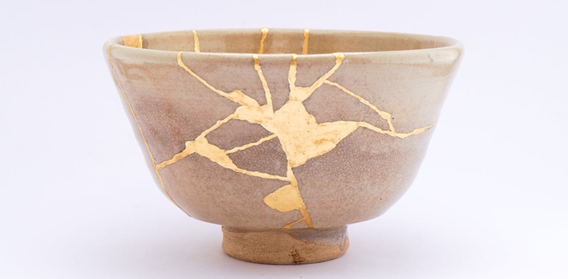
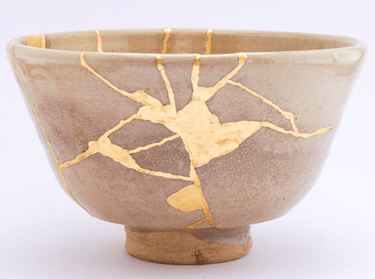
Recently, I had a wonderful experience by taking a Kintsugi workshop here in Singapore. Kintsugi (金継ぎ) is the traditional Japanese art of repairing broken pottery by mending the cracks with gold, silver, or other precious metals. The term translates to “golden joinery” or “golden repair.” Instead of concealing the damage, Kintsugi highlights the cracks and imperfections, turning the object into something unique and beautiful.
This practice reflects the Japanese aesthetics of wabi-sabi (侘び寂び), which finds beauty in imperfection and transience. Kintsugi conveys the idea that scars and flaws are part of an object’s history and should be celebrated rather than hidden.
The history of Kintsugi dates back to the late 15th century during Japan's Muromachi period, attributed to an incident involving the Shogun Ashikaga Yoshimasa (1436–1490). According to legend, Yoshimasa broke a cherished Chinese tea bowl and sent it back to China for repair. When it was returned, the bowl was fixed with unsightly metal staples, a common repair technique at the time. Dissatisfied with the result, he tasked his Japanese artisans to find a more aesthetically pleasing solution, leading to the birth of Kintsugi.
The repaired item often becomes more valuable and more beautiful than it was before, symbolising resilience, transformation and the notion that beauty can arise from imperfection. This philosophy extends beyond art and craftsmanship to life, inspiring people to embrace their struggles and see growth in adversity.
The Implications for Transformational Coaching
In the world of Transformational Coaching, the metaphor of Kintsugi offers profound insights. The philosophy aligns with an approach which seeks to empower individuals to embrace their struggles and transform challenges into growth opportunities. How then might this ancient practice inform and inspire the coaching journey for individuals, teams and organisations?
1. Acknowledging the Breaks: In the transformational process, it’s crucial to recognise the “breaks” — whether they manifest as setbacks, fears or limiting beliefs. These moments are not failures but invitations to evolve. As in Kintsugi, transformation begins with acknowledging the cracks rather than concealing them.
2. Celebrating Authenticity: Clients often grapple with societal or organisational pressures to present a “perfect” facade. Transformational Coaching, inspired by Kintsugi, encourages embracing one’s authentic self. The repaired pottery reminds us that authenticity, coupled with resilience, is where true strength lies.
3. Turning Pain into Purpose: In both personal and professional growth, challenges can become catalysts for transformation. Just as Kintsugi uses gold to mend and highlight cracks, coaching helps clients identify their “gold” — the values, insights and strengths that emerge from adversity.
4. Crafting a New Narrative: The repaired pottery tells a story, one that is richer and more complex than before. Similarly, Transformational Coaching helps Clients reframe their experiences, enabling them to craft narratives of empowerment and possibility.
Practical Applications in Coaching
· Building Resilience in Leaders: Kintsugi teaches that scars are symbols of strength. In leadership coaching, this perspective fosters resilience by helping leaders navigate challenges with grace and confidence, turning setbacks into learning moments.
· Driving Organisational Change: Organisations undergoing transformation often fear disruption. By applying the principles of Kintsugi, coaches can help teams view “broken” processes or failures as opportunities for reinvention and innovation.
· Enhancing Cultural Alignment: Kintsugi reminds us of the value of diversity and inclusion. Each “crack” in the organisation’s culture can be an opportunity to integrate diverse perspectives, creating a stronger and more cohesive whole.
A Golden Opportunity
Coaches are like those artisans, guiding their Clients through their Kintsugi journey, helping them see that the “breaks” are not something to be hidden but cherished as part of their unique path. By embracing this philosophy, Transformational Coaching becomes not just a process of fixing but one of elevating — turning challenges into brilliance.
So, the next time you encounter a “crack” in your journey, remember: it’s an opportunity to fill it with gold.